SYSTEM / FEB.2025
Artificial intelligence faces a long history of technological rejection
The printing press, power loom, photography, radio, synthesizer, and sampling all provoked intense fears before their adoption.


The article connects current fears surrounding AI with historical reactions against the printing press, power looms, photography, radio, the synthesizer, and sampling.
An age-old fear of new tools
Generative artificial intelligence arrives with a sense of rupture. Images appear in seconds. Text, voices, and videos emerge from a model. Creative professions, copyright, education, and intellectual work find themselves at the center of the debate.
This anxiety has a history. Technologies that change cultural production or work often trigger an initial reaction of rejection. The scenario recurs in different forms. A machine speeds up a human action. A profession feels threatened. An institution seeks to retain its authority. Then the tool becomes part of everyday use, accompanied by rules, conflicts, and new practices.
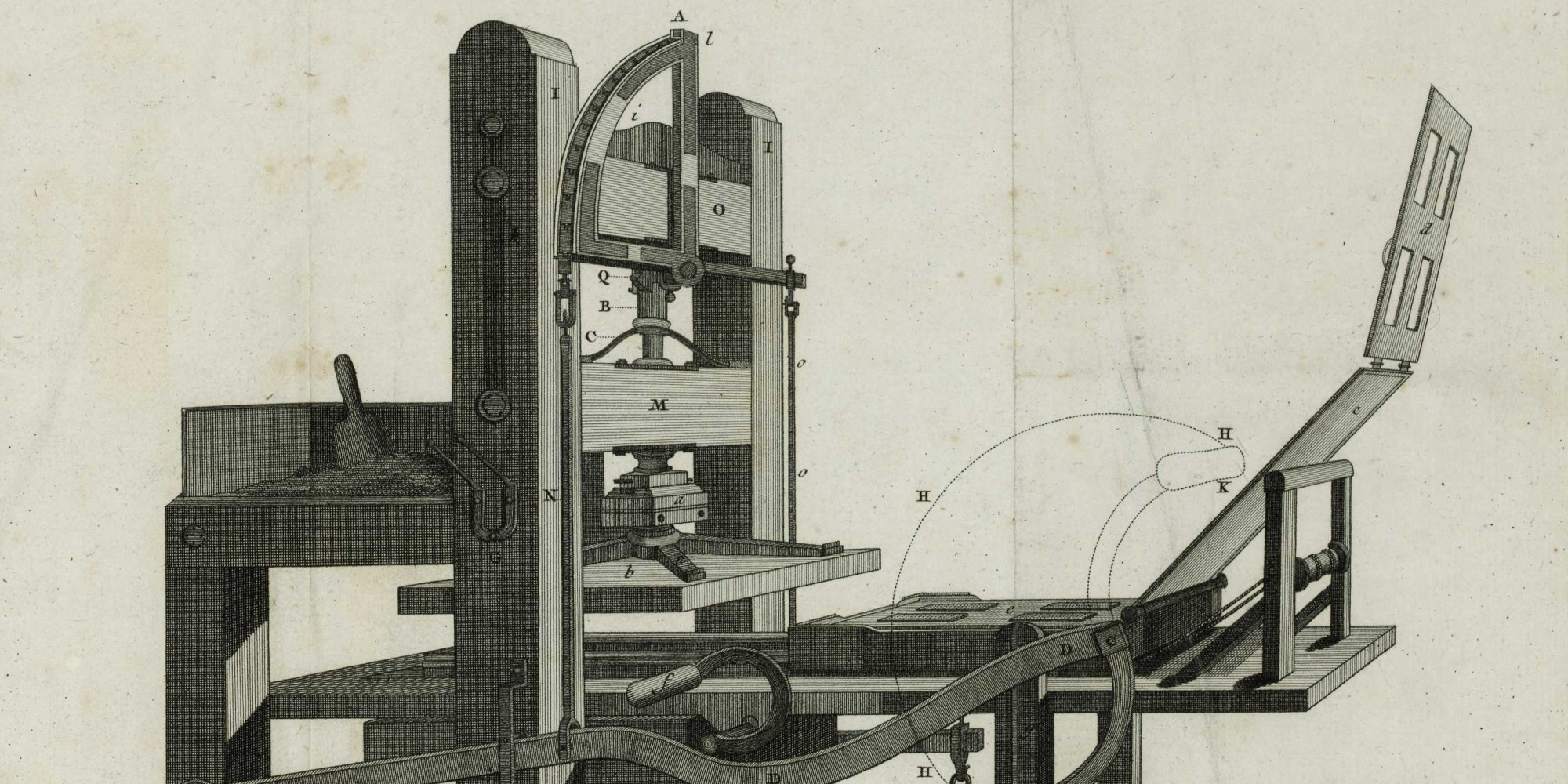
The printing press worries copyists
In the XVe century, the printing press transforms the copying of books. The scribe's patient work loses its monopoly. Texts circulate faster. Knowledge gradually moves beyond a scarce and expensive distribution system.
Fear appears very early. Critics associate the press with a loss of discipline, memory, and spiritual quality. Techdirt recalls these early panics surrounding the printing press. Jean Trithemius's treatise in support of copyists, available in this annotated edition, defends manuscript work as an intellectual and religious practice.
History remembers something else. The printing press disseminated texts, accelerated science, transformed religion, and broadened access to books. Manuscripts retained their artistic value. The new medium shifted the profession rather than reducing culture to industrial copying.
Power looms threaten weavers
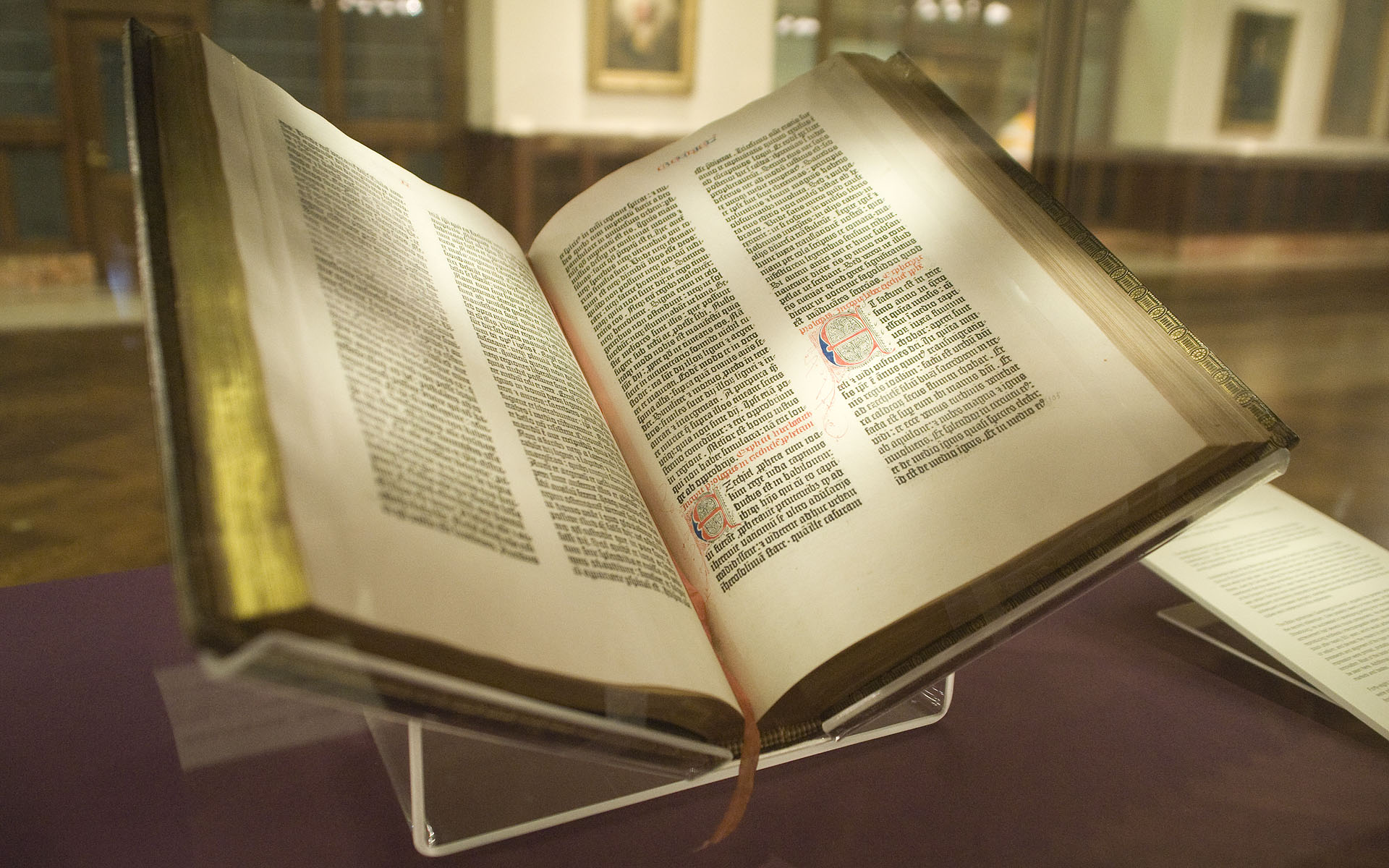
In the early XIXe century, power looms disrupt the English textile industry. The Luddites attack machines that reduce the value of their expertise. Wikiquote summarizes the origin of the term Luddite and also preserves protest texts from the period, including this song attributed to the movement.
The conflict tells a story of social fear as much as technological fear. The machine makes faster production possible. It also concentrates power in the hands of workshop owners. Workers therefore attack a tool and, behind it, an economic organization.
This dynamic reappears in the debate over AI. The question rarely concerns the model alone. It touches on the distribution of value, control over work, and workers' ability to negotiate their place.
Photography shakes up painting
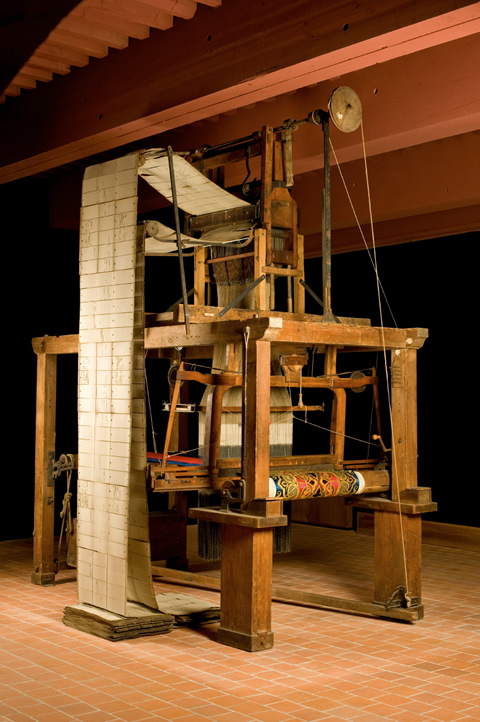
In 1839, the daguerreotype establishes a new way of producing an image. Painting loses part of its documentary function. Artists see photography as a threat to their craft, composition, and the prestige of the studio.
Paul Delaroche is often associated with the phrase about the death of painting. His biographical page recalls how this attribution has circulated. Quote Investigator also adds nuance to the story with an investigation into the phrase attributed to Delaroche and another passage on critical reactions.
What followed shifted the roles. Photography took its place as art and as evidence. Painting explored other territories. The arrival of a tool for reproduction opened up new styles rather than shutting down creativity.
Radio and television enter the home
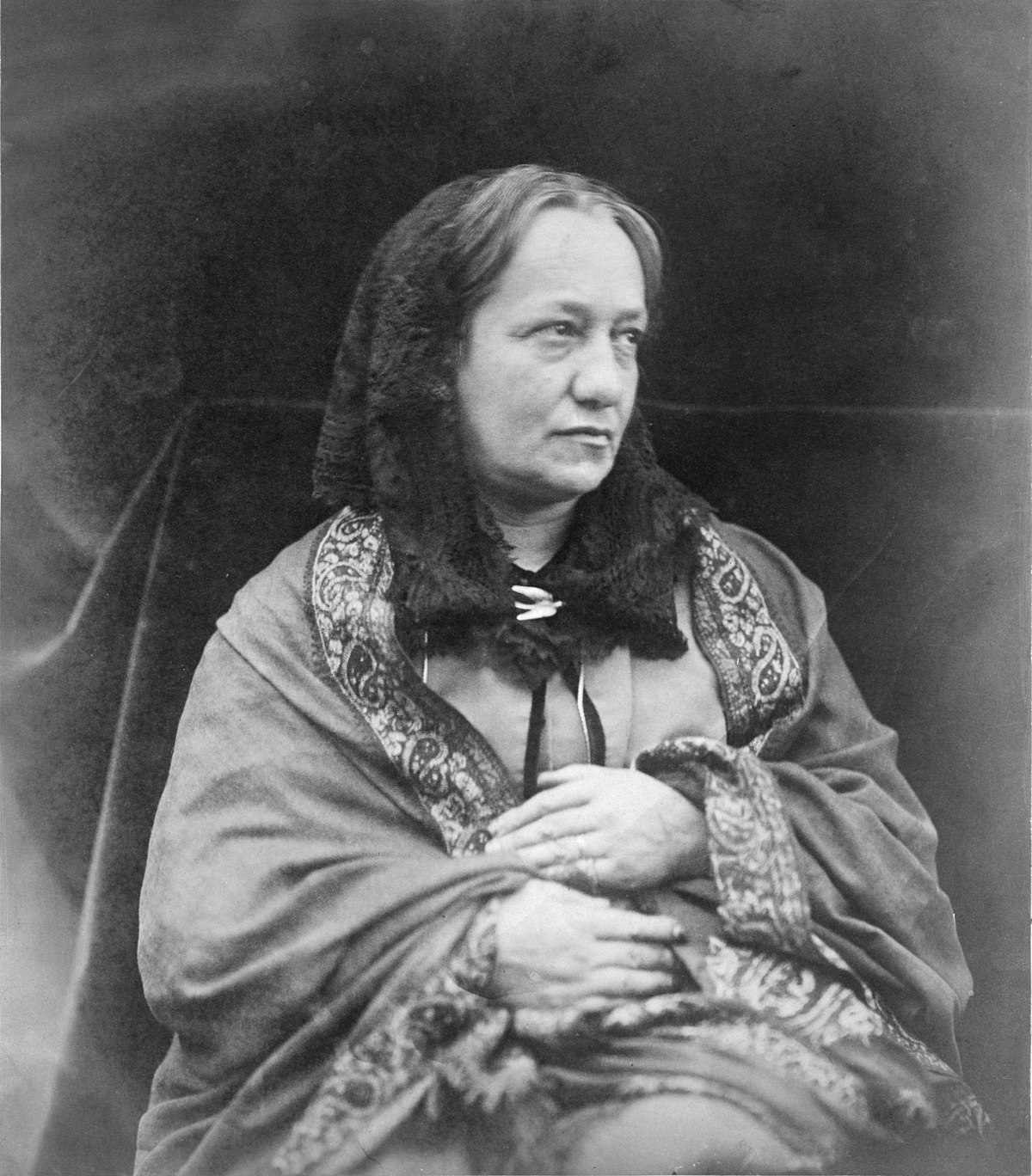
Radio and then television also provoked moral fears. Households discovered an outside voice in the home, followed by images from far away. BackupAssist listed several historical fears associated with everyday technologies, including a passage devoted to media in the home. The radio sector subsequently evolved into a medium distributed across multiple platforms, as Fabrik summarizes.
The medium that once inspired fear became commonplace. The debate shifted toward screen time, information quality, and content regulation. Adoption transformed the criticism. It made it more precise.
Synthesizers and sampling reshape music
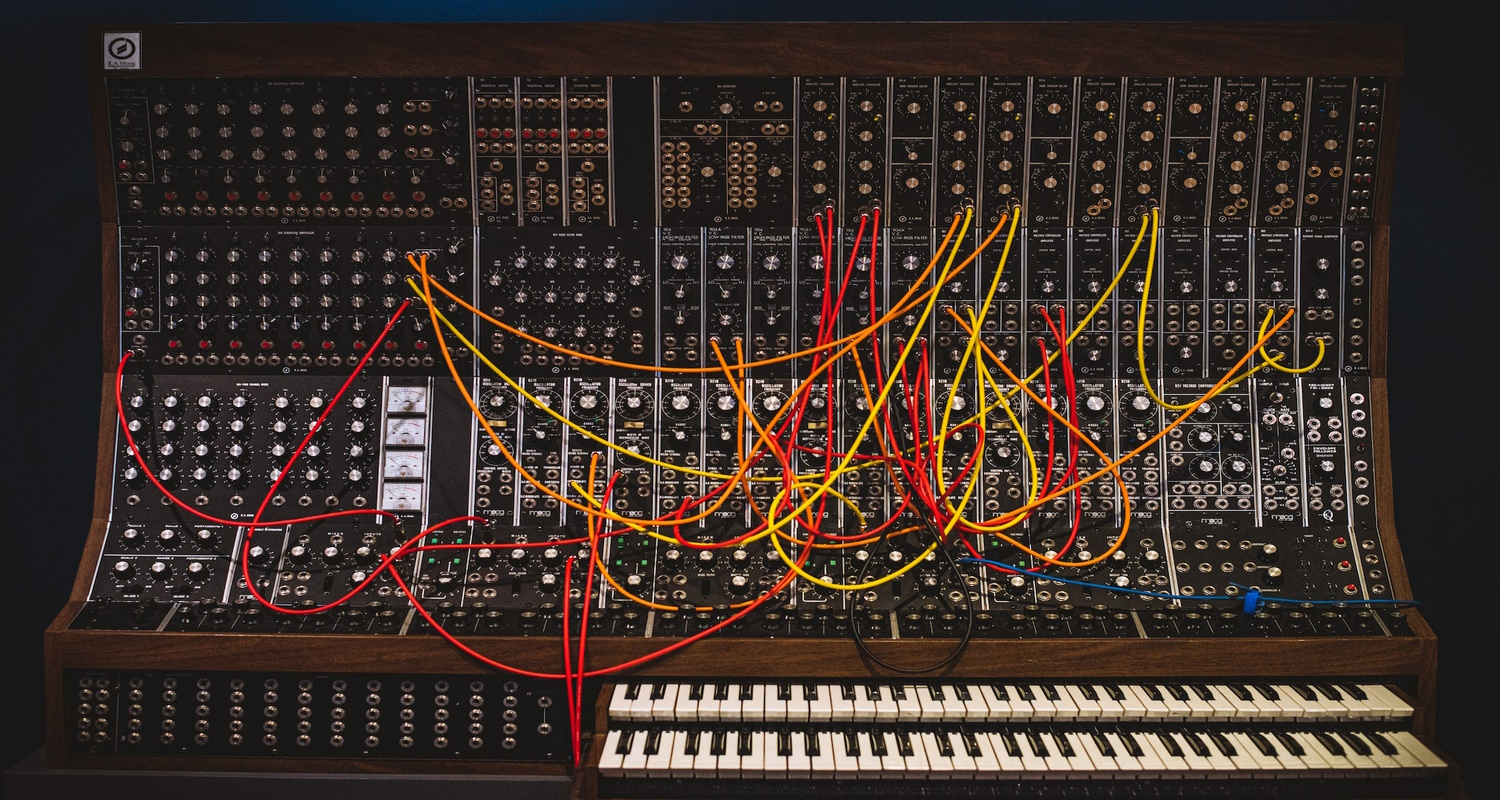
In music, the synthesizer and sampling faced comparable accusations. Musicians saw a threat to instruments, virtuosity, and employment. Mixdown recalls the British musicians' union's attempt to oppose synthesizers and the union context behind this opposition.
Sampling culture subsequently helped drive hip-hop, house, and part of modern pop. Reactions were harsh, as this archived excerpt from the music press shows. The law also established a framework for the practice, through decisions such as Grand Upright v. Warner.
Music made with machine assistance eventually became a grammar. It produced its own professions, signature sounds, and legal disputes. The tool changed the law as much as aesthetics.
What this history tells us about AI
Generative AI arrives as part of this lineage. It automates part of the creative act, aggregates vast corpora, and raises real questions about consent, compensation, and traceability. Artists challenging certain sales of AI-generated works, as in this open letter concerning a Christie's sale, are raising an economic question as much as an aesthetic one.
The history of technology offers a useful lesson. The initial fear often contains some truth. Professions shift. Abuses emerge. Dominant players capture some of the value. At the same time, adoption creates new forms and forces society to write more precise rules.
The issue surrounding AI therefore lies in the framework. Training sources must be discussed. Rights must be clarified. Professional uses must retain human responsibility. Creative work must be able to incorporate the tool without erasing its authors.
AI benefits from moving beyond the magical narrative. It calls for the same work as the great inventions before it. Understanding the action being transformed, protecting those exposed, enabling legitimate uses, and rejecting shortcuts that confuse technological progress with abandoning the rules.